



 ♥ 8.6Guardian: The Lonely and Great GodGong Yoo ♥ Kim Go-eun

Featured couple
Hyun Bin ♥ Son Ye-jin
in Crash Landing on You · 2019 · 16 episodes
A paragliding mishap drops a South Korean heiress in North Korea -- and into the life of an army officer, who decides he will help her hide.…
Meet the coupleKissDrama
127 dramas and 49 movies, each with its leading pair, its rating and a Watch now button.
Pick your trope
Most loved dramas
See all (127)♥ 8.6Guardian: The Lonely and Great GodGong Yoo ♥ Kim Go-eun ♥ 8.3True BeautyMun Ka-young ♥ Cha Eun-woo
 ♥ 8.2Love AlarmKim So-hyun ♥ Jung Ga-ram
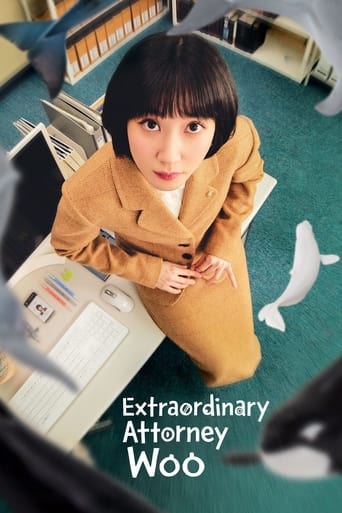 ♥ 8.5Extraordinary Attorney WooPark Eun-bin ♥ Kang Tae-oh
 ♥ 8.4WLee Jong-suk ♥ Han Hyo-joo
 ♥ 8.5Weightlifting Fairy Kim Bok-jooLee Sung-kyung ♥ Nam Joo-hyuk
 ♥ 8.2The King: Eternal MonarchLee Min-ho ♥ Kim Go-eun
 ♥ 8.5My Holo LoveYoon Hyun-min ♥ Ko Sung-hee
 ♥ 8.3Descendants of the SunSong Hye-kyo ♥ Song Joong-ki
 ♥ 8.6Alchemy of SoulsLee Jae-wook ♥ Go Youn-jung
 ♥ 8.5Business ProposalAhn Hyo-seop ♥ Kim Se-jeong
 ♥ 8.3What's Wrong with Secretary KimPark Seo-jun ♥ Park Min-young
Office romance
See all (28) ♥ 8.2
 ♥ 8.2
 ♥ 8.3
 ♥ 8.1
 ♥ 8.3
 ♥ 7.2
Fantasy romance
See all (21) ♥ 7.0
 ♥ 8.5
 ♥ 8.5
 ♥ 7.9
 ♥ 8.5
 ♥ 8.4
Movies
See all (49) ♥ 7.7Red Shoes and the Seven DwarfsAhn So-yi ♥ Shin Yong-woo
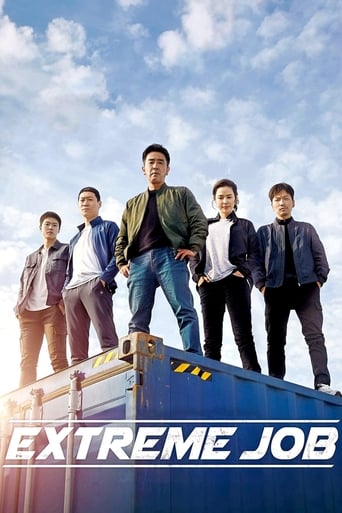 ♥ 7.2Extreme JobRyu Seung-ryong ♥ Lee Hanee
 ♥ 7.6EXITCho Jung-seok ♥ Yoona
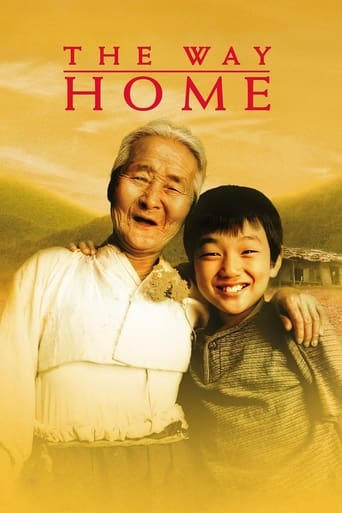 ♥ 8.0The Way HomeKim Eul-boon ♥ Yoo Seung-ho
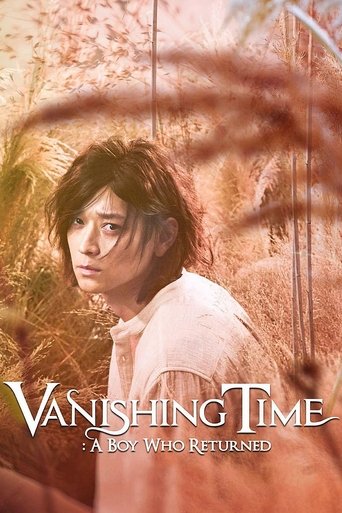 ♥ 7.2Vanishing Time: A Boy Who ReturnedGang Dong-won ♥ Shin Eun-soo
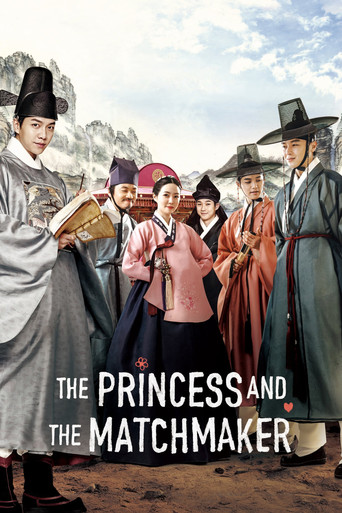 ♥ 7.2The Princess and the MatchmakerShim Eun-kyung ♥ Lee Seung-gi
Tearjerkers
See all (15) ♥ 8.1
 ♥ 8.6
 ♥ 7.5
 ♥ 7.3
 ♥ 7.7
 ♥ 7.5
The KissDrama guide to Korean love stories
KissDrama: Korean love stories by trope, from Crash Landing on You, Business Proposal and Hotel Del Luna to Twenty Five Twenty One and The Red Sleeve
Ask a devoted viewer of Korean drama what to watch next and the answer will come as a question: what kind of love story do you feel like? A boss and a secretary? A pretend engagement that turns real? Two childhood friends who are the last to see what everyone else has known for years? The fans call these patterns tropes, and they treat them as a cook treats recipes, as dependable forms that reward a skilled hand. KissDrama is built on that way of choosing. It lists 127 Korean dramas with 2,610 episodes and 49 Korean movies, and it sorts them by the kind of romance they tell.
Nine tropes make up the heart of the site: office romance with twenty-eight titles, fantasy romance with twenty-one, first love with twenty-two, palace romance with eighteen, tearjerkers with fifteen, bickering couples with fourteen, and contract romance, friends to lovers and small-town love with twelve each. Beside them stand lists for music, family stories, short dramas and the top rated. Every title page names the leading pair, because in this genre the couple is the point, and every page carries a Watch now button that leads to the official services where the story can be seen.
This guide takes the tropes one at a time, with the couples that best show each, then turns to the movies and to practical matters, and ends with questions and answers. For the steps alone, see the short page on how to watch with KissDrama.
How KissDrama works
The home page opens with a featured couple: a wide still on one side and, on the other, the names of the two leads joined by a heart, the drama they appear in, its year and its number of episodes, and a button marked Meet the couple. Under the introduction lie the nine trope cards, in pink, peach and lilac. Each shows a small fan of three posters, the name of the trope and the number of stories it holds.
Rows of posters follow: the most loved dramas, then office romance, fantasy romance, the movies and the tearjerkers. Each poster has a heart with the rating in its corner, and under the title the names of its leading pair, so that a viewer who has just enjoyed an actor can spot the next appearance at a glance.
A title page gives the story in a paragraph, the full cast with the characters they play, the writer and director, and for a drama every episode with its broadcast date. Beside the Watch now button is a country selector; choose a country, press the button, and JustWatch opens with the subscription, rental, purchase and free services that carry the title there. The page on finding titles lists every route through the site, and My List describes the shortlist.
Office romance
The largest trope has twenty-eight titles, and its appeal is easy to explain. An office supplies two people with a reason to meet daily, a hierarchy to complicate matters and a crowd of colleagues to gossip about them. The classic arrangement is the executive and the assistant. In What's Wrong with Secretary Kim, Park Seo-jun plays a vice-chairman so pleased with himself that he keeps a mirror within reach, and Park Min-young the secretary who has organised his life for nine years and now wishes to have one of her own. His campaign to keep her, conducted with the confidence of a man quite unused to refusal, is the comedy; what the two discover about a shared childhood memory is the heart.
King the Land moves the pattern to a luxury hotel. Junho is the owner's son, sent to learn the business; Yoona is the receptionist whose flawless smile he mistrusts, having grown up among people paid to smile at him. The Secret Life of My Secretary adds a twist, a boss who loses the ability to recognise faces and can identify his secretary only by her red cardigan, and Hotelier, from 2001, shows how long the grand hotel has served Korean drama as a stage.
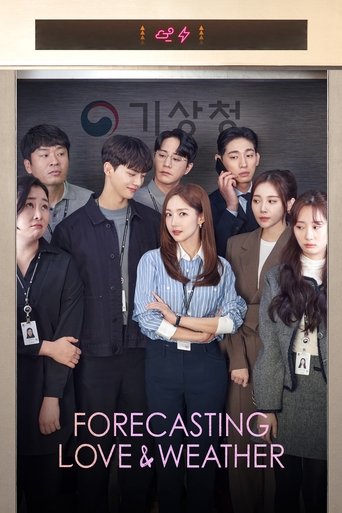
The trope has grown up with its audience. Search: WWW gives the senior positions to three women in their late thirties and treats their work at rival internet firms as seriously as their romances. Love Scout, from 2025, reverses the classic pairing: Han Ji-min is the driven head of a recruitment firm and Lee Jun-hyuk the capable single father who becomes her assistant. In Forecasting Love and Weather, forecasters at the national weather service try to predict each other, and in Romance Is a Bonus Book a publishing editor makes room at work, and at home, for the older friend he has quietly loved for years. The office romance page sorts the trope by workplace.
Contract romance
Twelve titles begin with an agreement. Two people who have every reason to stay apart sign a paper, or shake hands, or simply tell a lie in front of witnesses, and are then obliged to behave like a couple until the behaviour becomes the truth. Full House fixed the form in 2004. A cheerful young writer, played by Song Hye-kyo, is tricked out of the house her father built, and the film star who buys it, played by Rain, lets her stay as his housekeeper and then, to spite another woman, as his wife on paper. They squabble over chores, sing a nursery song about three bears, and fall in love by inches.
Business Proposal, rated 8.5, is the modern champion. Shin Ha-ri goes on a blind date in place of her wealthy friend, dressed and behaving as outrageously as she can so that the man will flee. He is Kang Tae-moo, the president of the food company where she works, played by Ahn Hyo-seop, and he decides that a woman this alarming is exactly the fiancée he needs to stop his grandfather arranging further dates. Kim Se-jeong plays Ha-ri with fearless comic timing, and the drama runs for only twelve episodes.
Love in Contract makes a profession of the idea: Park Min-young plays a woman who hires herself out as a wife for dinners and family gatherings, with a long-term client booked for Mondays, Wednesdays and Fridays. In So I Married an Anti-Fan, a magazine reporter and the pop star she has publicly sworn to dislike are cast together in a reality programme that has them share a flat. Her Private Life, The Prime Minister and I and Cinderella and Four Knights each find their own excuse, and the film Cyrano Agency follows a troupe of out-of-work actors who stage romances for paying clients. The contract romance page has the full dozen.
Friends to lovers
Twelve titles belong to the gentlest trope, in which love has been in the room all along. Weightlifting Fairy Kim Bok-joo, rated 8.5, is its happiest example. Bok-joo, played by Lee Sung-kyung, is a college weightlifter with a healthy appetite and a crush on the wrong man; Joon-hyung, played by Nam Joo-hyuk, is a swimmer who went to primary school with her and has teased her ever since. He helps her chase the other man, realises halfway through what he feels himself, and becomes the most devoted boyfriend in the catalogue. Their romance has barely a villain in it, and viewers return to it as to a favourite jumper.
Reply 1997 and Reply 1994 turn the trope into a puzzle. Each opens at a reunion in the present, where the heroine is married to one of her old friends, and then goes back to their teenage years while the audience studies every glance for clues. In the first, the answer is the boy she has known since the cradle; the second keeps its secret almost to the end. A Love So Beautiful and My First First Love are lighter variations, and Lovers' Concerto is a film about a boy and two girls, best friends, whose summer together shapes all three lives.
Adult versions carry more history. In Doctor Slump, Park Shin-hye and Park Hyung-sik play the top two students of the same school year, bitter rivals for first place, who meet again in their thirties when both careers have collapsed and find that the only person who understands is the old enemy. My Dearest Nemesis has two people who met as teenagers in an online game come face to face sixteen years later as employee and boss. Bubblegum concerns a doctor and a radio producer raised almost as siblings, and 20th Century Boy and Girl reunites childhood neighbours in their mid-thirties. The friends to lovers page lists them by age.
Bickering couples
Fourteen couples argue their way to the altar. The pleasure here is verbal: two quick minds striking sparks, each quarrel a little warmer than the last. Crash Landing on You, rated 8.5, is the grandest case. Yoon Se-ri is a self-made businesswoman from Seoul used to having the last word; Captain Ri Jeong-hyeok is a North Korean officer of few words and rigid principles. She lands in his territory by accident, he hides her at great risk, and for several episodes they disagree about everything from candlelight to coffee. Son Ye-jin and Hyun Bin play them, and their chemistry made the drama a worldwide event.
Hometown Cha-Cha-Cha sets a brisk city dentist, played by Shin Min-a, against the village handyman, played by Kim Seon-ho, who thinks she has a great deal to learn about neighbours. Love to Hate You pairs a lawyer who distrusts men with an actor who distrusts women, in ten sharp episodes. In The Law Cafe, a former prosecutor becomes landlord to the lawyer who has known him for seventeen years and opens a coffee shop that gives legal advice with every cup. Clean with Passion for Now and Dali & Cocky Prince build their quarrels on opposite habits, tidiness in one and taste in the other.
The trope reaches into costume as well. Mr. Queen, rated 8.5, gives a king a queen who has suddenly begun to swear, cook and stride about like a man, for the excellent reason that a modern man's spirit has taken up residence in her; their sparring turns into the strangest and one of the most touching love stories of recent years. My Sassy Girl carries a famous quarrelsome heroine back to the Joseon court, and the film My Tutor Friend seats a diligent student teacher opposite a pupil her own age. The bickering couples page has all fourteen.
Fantasy romance
Twenty-one love stories cross a boundary that ordinary romance leaves alone. The commonest is the line between mortal and immortal. In Guardian: The Lonely and Great God, rated 8.6, Gong Yoo plays a goblin nine centuries old who can be released from his long life only by his destined bride, and Kim Go-eun the bright, lonely student who turns out to be she. The cruelty of the arrangement, that to love him fully is to end him, gives the drama its ache, and a second couple, a grim reaper and the owner of a chicken restaurant, played by Lee Dong-wook and Yoo In-na, has a story just as haunting.
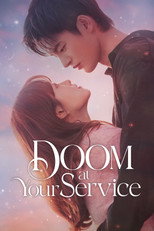
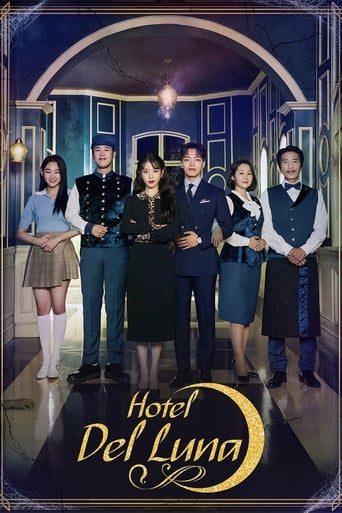
Hotel Del Luna, rated 8.5, reverses the ages: the immortal is a woman, the proud and extravagant keeper of a hotel for the dead, played by IU, and the mortal is her new manager, a careful young hotelier played by Yeo Jin-goo, who is at first terrified of ghosts. Tale of the Nine Tailed gives Lee Dong-wook a fox spirit who gave up his mountain for a human girl and has searched six hundred years for her return. Doom at Your Service has a woman with a hundred days to live strike a bargain with a being who is the end of all things, and My Girlfriend Is a Gumiho plays the fox legend for laughs.
Other couples are divided by worlds. In W, rated 8.4, Han Hyo-joo is a doctor and Lee Jong-suk the hero of a comic strip, and each time she is drawn into his pages the rules of fiction bend a little further. The King: Eternal Monarch sends an emperor, played by Lee Min-ho, through a gate between parallel Koreas to find the detective whose identity card he has carried since boyhood. And some are divided by time: the modern woman and the Goryeo prince of Scarlet Heart: Ryeo, the husband of Tomorrow with You who travels to the future by subway, the couple in the film Ditto who talk by radio across twenty-three years. The fantasy romance page maps the boundaries.
Palace romance
Eighteen love stories unfold in old Korea, where a glance across a courtyard can carry the weight of a confession. The Red Sleeve is the purest of them. Deok-im is a court lady, one of hundreds who serve the royal household and wear the red cuff of the title; Yi San is the crown prince who will become King Jeongjo. He loves her and can command her; she loves him and values the small life that is her own. Lee Se-young and Junho play the pair across seventeen episodes, and the drama's refusal to pretend that their positions are equal is what makes it so moving.
Disguise is the favourite device of the lighter stories. In Sungkyunkwan Scandal, a bright girl takes her brother's name to study at the royal academy and shares a room with three young men, one of whom, an upright minister's son, is deeply troubled by his feelings for a classmate. The Tale of Nokdu turns the trick around, hiding a young man among widows, and Rookie Historian Goo Hae-Ryung pairs a woman bold enough to join the court's record-keepers with a prince who writes romance novels in secret.
The long epics have love stories at their centre too. Jewel in the Crown follows a maidservant and a king over sixty episodes, and The Great Queen Seondeok sets a princess raised in exile beside the warrior who serves her. On film, The Princess and the Matchmaker has a fortune-teller assess four candidates for a princess's hand while she slips out of the palace to inspect them herself, and Love, Lies follows two singers and the composer they both love in the 1940s. The Matchmakers and Live Up to Your Name bring comedy to the hanbok. The palace romance page arranges the trope.
First love
Twenty-two titles tell of first love, at school or at university, and they have a tenderness all their own. A Love So Beautiful is the simplest and sweetest: Sol-i has adored the boy across the corridor since the first day of school and tells him so at every opportunity, and Heon, top of the class and short of words, takes twenty-four brief episodes to answer. True Beauty, rated 8.3, asks a harder question, whether a girl who has remade her face with cosmetics can be loved for the one beneath, and gives her two admirers who have each seen it.
Twenty Five Twenty One, rated 8.5, is the masterpiece of the group. In 1998 a fencing prodigy of eighteen, played by Kim Tae-ri, meets a young man of twenty-two, played by Nam Joo-hyuk, whose family has lost everything in the financial crisis and who delivers newspapers while he rebuilds his life. They cheer each other on through four seasons, and the drama is honest about what first love is for: it shows two people who made each other braver.
The campus stories include Hello, My Twenties!, Cheese in the Trap, Doona! and Heartstrings; the school stories At Eighteen, School 2017 and To the Beautiful You. On film, Hot Young Bloods is a boisterous comedy of rural teenagers in 1982, and Unforgettable, rated 8.0, a memory of an island summer that a radio host has carried for twenty-three years. The first love page sorts them by setting.
Small-town love
Twelve romances leave Seoul behind, and the change of air does the characters good. The pattern is constant: a tired city person arrives in a place where everyone knows everyone, resists it, and is healed by it. In Hometown Cha-Cha-Cha the place is the harbour village of Gongjin, with its fish market, its nosy grandmothers and its lighthouse. In When the Weather Is Fine it is a hill village in deep winter, where a bookshop owner has waited ten years for a certain cellist to come home. In Once Upon a Small Town, a Seoul vet is tricked into minding his grandfather's country practice and meets the local policewoman who seems to know him already.
The island of Jeju is the setting for the two finest. Our Blues, rated 8.4, tells of a dozen islanders, among them a pair of former sweethearts who meet again in middle age, and When Life Gives You Tangerines, rated 8.8 and the highest-rated title on KissDrama, follows Ae-sun and Gwan-sik from childhood to old age. He is a fisherman's son who decided as a boy that he would look after her; she is a diver's daughter with poems in her head. IU and Park Bo-gum play them when young, and their marriage, tested by poverty and loss and held together by daily kindness, is as fine a portrait of lifelong love as television has produced.
Food brings two more couples together in the provinces: the hotel heir and the stubborn chef of Tastefully Yours, and the researchers of The Potato Lab. Do Do Sol Sol La La Sol and Racket Boys add music and sport, and the film The Harmonium in My Memory remembers a village schoolteacher and the seventeen-year-old pupil who adored him. See the small-town love page.
Tearjerkers
Fifteen titles should be watched with tissues to hand. Korean drama has always taken sorrow seriously, and its sad love stories are among its most carefully made. Uncontrollably Fond reunites a film star, played by Kim Woo-bin, with the documentary maker he loved at school, played by Suzy, at the moment he learns that his time is short. Chocolate brings a surgeon and a chef together in a hospice and lets cooking say what the characters find hard to speak. Just Between Lovers is about two young people marked by the same disaster who find, in each other, someone who understands at once.
The movies in this group are concentrated doses. More Than Blue is the story of a man who hides his illness and sets about finding a good husband for the woman he loves, and its final scenes turn the whole film around. A Millionaire's First Love sends a spoiled heir, played by Hyun Bin, to a village school as a condition of his inheritance. ...ing, Sad Movie and Josée are quieter, and My Brilliant Life is a love story between two young parents and their remarkable son.
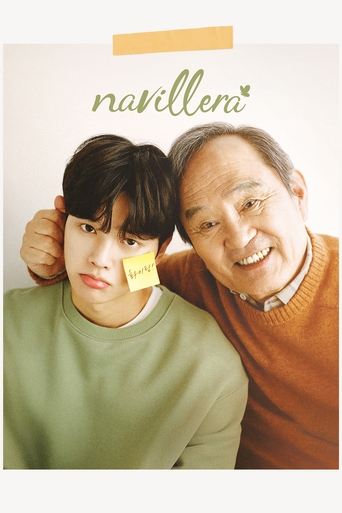
Some tears are gentle ones. Navillera and The Light in Your Eyes are about old age, and both leave their audiences grateful as well as moved; Hi Bye, Mama! and Thirty-Nine are about saying goodbye well. The tearjerkers page gives fair warning about each.
Couples the audience took to heart
Because each poster on KissDrama carries the names of its leading pair, the site doubles as a directory of screen couples, and a few of them deserve an introduction. Hyun Bin and Son Ye-jin, of Crash Landing on You, are the best known in the world; viewers who watched the captain teach the heiress to light a candle were delighted when the two actors later married in real life. Song Joong-ki and Song Hye-kyo made Descendants of the Sun a sensation in 2016 as a special-forces captain and a surgeon who meet in a hospital corridor and again in a distant country struck by an earthquake.
Some performers have been half of several beloved pairs. Park Min-young appears with Park Seo-jun in What's Wrong with Secretary Kim, with Kim Jae-uck in Her Private Life, with Song Kang in Forecasting Love and Weather and with Go Kyung-pyo in Love in Contract. Nam Joo-hyuk partners Lee Sung-kyung, Suzy in Start-Up, Kim Tae-ri, and Han Ji-min in the film Josée. Park Bo-young, small, quick and endlessly sympathetic, is paired with Seo In-guk in Doom at Your Service, Yeon Woo-jin in Daily Dose of Sunshine, Jinyoung in Our Unwritten Seoul and Choi Woo-shik in Melo Movie.
Lee Dong-wook has perhaps the widest range of partners: Lee Da-hae in My Girl in 2005, Yoo In-na twice, in the goblin's story and again as a lawyer and an actress in Touch Your Heart, Cho Bo-ah in Tale of the Nine Tailed and Im Soo-jung in the film Single in Seoul. IU has led three of the highest-rated dramas on the site opposite Lee Joon-gi, Yeo Jin-goo and Park Bo-gum. The famous couples page suggests four pairs to meet first, and the search field accepts either name of any couple.
The second lead
The love triangle is a fixture of Korean drama, and the fans have a name for one of its effects: second lead syndrome, the ache of preferring the suitor who is destined to lose. He is usually the kinder man, the one who notices when the heroine is cold and stays quiet about his feelings until it is too late. Start-Up produced the most celebrated case. Han Ji-pyeong, a successful investor played by Kim Seon-ho, wrote the letters that comforted the heroine through her lonely teens, under another boy's name, and watches as she falls for the boy whose name it was. Viewers still take sides.
True Beauty divided its audience between a cool top student and a warm-hearted singer. Reply 1994 kept two candidates level for twenty-one episodes. Cinderella and Four Knights offers a choice of three cousins, and Scarlet Heart: Ryeo of several princes, which is hard on everyone concerned. In Dream High, the audience's sympathy shifts between a gifted country boy and a brooding dancer, played by Kim Soo-hyun and Taecyeon.
Women take the part as well. The rival in What's Wrong with Secretary Kim is hardly a threat, but in Encounter, Temperature of Love and The Interest of Love the other possible partner is a full and sympathetic character, and the outcome is in real doubt. A good triangle is a mark of generous writing: it gives the heroine a true choice and the viewer something to argue about afterwards.
The movies
Forty-nine Korean films stand beside the dramas, and about half are love stories. The romantic comedies are compact and inventive. In Finding Mr. Destiny, a woman hires an agency that traces first loves, armed with only a name remembered from a trip to India, and the man assigned to her case, played by Gong Yoo, is as cautious as she is impulsive. My Love, My Bride follows a newly married couple through their first quarrelsome year. Penny Pinchers pairs a penniless graduate with a woman who can make a living from empty bottles, Love Forecast is about a teacher and the best friend who has loved her for eighteen years, and Single in Seoul sets a contented bachelor against an editor who thinks solitude is overrated.
The bittersweet films reward a quiet evening. Josée is about a university student and a reclusive young woman who lives among second-hand books. Microhabitat follows a housekeeper who gives up her room and visits old bandmates one by one. Vanishing Time: A Boy Who Returned is a fairy tale about a girl whose friend comes back from the woods as a grown man, and Innocent Steps teaches a young woman newly arrived from China to dance for a competition.
The remaining films offer a change of mood between dramas. Extreme Job and EXIT are two of the funniest Korean films of 2019. The Way Home, Inseparable Bros and Keys to the Heart, each rated 8.0 or higher, are about family in its widest sense, and Dancing Queen is a joyful story of a married couple who chase separate dreams, hers a pop career and his the mayor's office, in the same season. The movies page groups them.
Short dramas, music and family
Three further lists help with choosing. Short dramas gathers the twenty series of twelve episodes or fewer, ideal for a busy month: Business Proposal, Love to Hate You, The Fabulous, Doona! and the 2025 arrivals Melo Movie, in which a film critic meets again the director who once vanished from his life, and Love Scout. The short dramas page gives each length.
Music holds thirteen stories of idols, orchestras and dancers, where romance usually arrives by way of a duet: You're Beautiful, Heartstrings, Dream High and Imitation. Family holds twenty titles in which the love story belongs to a household as much as to a couple, from the weekend sagas Once Again and My Only One, each with a hundred episodes or more, to Brilliant Legacy, in which a grandmother leaves her restaurant empire to a stranger and so introduces her to a very reluctant grandson.
Love after thirty
A newer strand of Korean romance is written for viewers who have left first love some way behind, and it is among the most rewarding on the site. One Spring Night is its model. Jeong-in is a librarian with a long-standing boyfriend she has stopped loving; Ji-ho is a pharmacist and a single father who expects very little for himself. They meet when she buys a remedy for a headache and finds she has forgotten her purse. What follows is a romance of hesitations and telephone calls, two decent people trying to do right by everyone, and the drama trusts its audience to find that gripping.
The older woman and younger man, a pairing with its own name among fans, appears in several titles. In Encounter, Song Hye-kyo plays a hotel chief executive whose every step is watched by the press, and Park Bo-gum a new recruit with an open face and a camera, and a single evening in Havana changes both lives. Romance Is a Bonus Book and Temperature of Love, in which a television writer and a young chef find each other twice, five years apart, belong to the same family, as does one of the three couples in Search: WWW.
Friendship carries much of the feeling in these stories. The three women of Thirty-Nine have been inseparable since their teens, and the drama's romances are shaped by what the friends owe one another. Be Melodramatic follows three flatmates of thirty through love, grief and work with a wit that is all its own, and Lovestruck in the City interviews its six characters about their love lives as if for a documentary. Now, We Are Breaking Up begins, as its title promises, with an ending, and Monthly Magazine Home asks whether a house is an investment or a place to be loved in.
Love and food
It is a truth of Korean drama that affection is expressed in meals. A character who peels a prawn for another, grills the meat and sets the best piece on someone else's rice, or turns up at a door with porridge during an illness has made a declaration as plain as any speech. Several love stories on KissDrama put the kitchen at the centre. In Tastefully Yours, a food-company heir sets out to acquire a tiny restaurant in the old city of Jeonju and ends up waiting tables there. Chocolate begins with a boy who feeds a hungry girl at his mother's seaside restaurant and follows the two into adulthood.
Temperature of Love pairs a writer with a chef, Eccentric! Chef Moon a famous cook with a fashion designer who has lost her memory, and Flower Boy Ramen Shop, from 2011, gathers its cast in a noodle bar. Dali & Cocky Prince opens with a self-made restaurant owner who judges everything by its price, and Mr. Queen wins a king's heart largely through the palace kitchen. Even Crash Landing on You has its food scenes, noodles pressed by hand in a village house and coffee beans roasted in a pan, and they do as much as any embrace to bring the couple together.
The sound of romance
Every Korean drama has its own songs, written for it and released a few at a time as the episodes air. Fans call them by the abbreviation OST, and for many viewers a melody is enough to bring back a whole series. The songs do real narrative work. Each couple has a theme that returns at decisive moments, so that by the tenth episode a few piano notes can announce a turn of the heart before a word is spoken.
Some dramas on the site are remembered for their music as much as their stories: the snowy ballads of the goblin's tale, the bright guitar tunes of Weightlifting Fairy Kim Bok-joo, the songs that IU, a celebrated singer, has lent to her own dramas. The music dramas go further and make performance part of the plot. In You're Beautiful and Heartstrings, confessions are made on stage; in Dream High, a showcase decides both a career and a romance; and in Do Do Sol Sol La La Sol, a piano lesson is the beginning of everything.
The films have their songs too. Love, Lies is built around the popular music of the 1940s, Dancing Queen around a housewife's late chance at a pop career, and The Harmonium in My Memory around the records a young teacher plays to his village class. When a title page mentions a singer among the cast, a good soundtrack is usually close behind.
What the hands say
Newcomers sometimes remark that Korean romances are restrained, and they are: a first kiss may wait until the tenth hour, and for many couples that is as far as the screen goes. The restraint is a strength. Because so much is held back, small things carry great force, and the dramas have developed a whole vocabulary of touch. A hand hovering over a sleeping head to keep off the light. Fingers that almost meet on a bus rail. A wrist caught as someone turns to leave. A coat draped over shoulders in the rain.
The effect is to slow the story down to the speed at which feeling actually grows. In When the Weather Is Fine, several episodes pass before the bookshop owner can say aloud what he has written in his diary for years. In The Red Sleeve, a prince and a court lady share a single book in a library and the scene is as charged as any embrace. In Our Unwritten Seoul, two people who have known each other since school learn, in their thirties, to say what they mean. Viewers who come for the kiss stay for everything that leads to it, and that patience is the particular gift of the form.
The anatomy of a Korean love story
Whatever the trope, a sixteen-episode romance tends to move through the same stations, and knowing them adds to the enjoyment. The first is the meeting, which is rarely smooth. A paraglider falls from the sky; a stranger is splashed by a passing car; two people reach for the last umbrella. Writers compete to invent a first encounter that the audience will remember, and the best of them hide a second, earlier meeting behind it, to be revealed many episodes later.
Then comes the long middle stretch of denial, during which everyone but the couple can see what is happening. Small rituals mark the progress. He ties her shoelace. She falls asleep on his shoulder on the bus. One carries the other home on his back after a company dinner. There is a shared umbrella, a scarf handed over, a hand held up to shield her eyes from the sun. These gestures are a language, and the dramas use it with great precision: the first time a character drops the formal style of speech and addresses the other as an intimate is often a bigger moment than the first kiss.
The confession usually arrives around the eighth episode, the kiss soon after, and a few hours of happiness follow before the test. A parent objects, a secret surfaces, a job abroad is offered, and the couple spend an episode or two apart. The final hour brings them back together, often after a jump of a year or more. Business Proposal follows the pattern to the letter and is loved for doing it so well; One Spring Night slows it to walking pace; Twenty Five Twenty One and Our Blues rewrite the last station, and their audiences are still discussing it.
The top rated list
Twenty-five titles are rated 8.3 or higher. When Life Gives You Tangerines stands first at 8.8, and the four that follow at 8.6 show how wide the idea of a love story can be: a goblin and his bride, two mages in Alchemy of Souls whose romance spans thirty episodes and a change of body, an old man's love of ballet in Navillera, and in Misaeng: Incomplete Life a young man's hard-won affection for the colleagues who believed in him.
At 8.5 stand nine dramas, among them Crash Landing on You, Extraordinary Attorney Woo, whose heroine approaches her first romance with the same frank logic she brings to the law, Hotel Del Luna, Mr. Queen, Scarlet Heart: Ryeo and My Holo Love, in which a woman who struggles to recognise faces is given a holographic companion and meets the solitary inventor who built him in his own image. The Top rated link under the logo opens the whole list.
Twenty-six years of romance
The catalogue runs from 1999 to 2025, and the love story has changed along the way. The early dramas, Hotelier, Full House, My Girl and Prince Hours, are fairy tales of class: a poor and spirited girl, a wealthy and guarded man, a mansion, a disapproving family. They carried Korean drama across Asia in the 2000s and they still charm.
The 2010s brought equals. Heroines acquired careers, as weightlifters, surgeons, prosecutors and programmers, and heroes learned to cook. The fantasy romance flowered in the same decade, with My Girlfriend Is a Gumiho in 2010 and the great run of 2016, when the goblin, the comic-strip hero and the Goryeo princes all arrived within a few months of one another.
Since 2020 the form has grown both shorter and more varied. Seventeen of the twenty short dramas date from these years. Stories are set in a psychiatric ward, a potato institute and a weather office; leading characters may be close to forty or past it, as in Thirty-Nine and Love Scout; and a drama such as My Liberation Notes can build a romance from a few dozen sentences exchanged on a country road. The trope cards on the home page hold examples from every period, so that a viewer can follow one kind of story across the years.
Matching a trope to a mood
The surest way to use KissDrama is to begin with a mood. For laughter after a hard week, choose a contract romance or a bickering couple: Business Proposal, Love to Hate You or So I Married an Anti-Fan. For comfort, friends to lovers: Weightlifting Fairy Kim Bok-joo has cured many a low Sunday. For escape, fantasy or the palace: Hotel Del Luna or Mr. Queen. For rest, a small town: Hometown Cha-Cha-Cha or When the Weather Is Fine, which is best watched in winter with something warm to drink.
For a good cry, the tearjerker list is arranged with the gentlest first. For nostalgia, first love: Reply 1997 if you were young in the 1990s, Twenty Five Twenty One whenever you were young. And for an evening when a whole drama is too much, the movies run from 86 minutes to a little over two hours. Add what appeals to My List as you browse, and the shortlist will keep your place.
A title page in detail
Every title page has the same order. At the top are the poster, the title in English and Korean, the year, the genres and the summary, with the Watch now button and the list button. The Where to watch panel holds the country selector. A table gives the original title, the first broadcast date, the language, the network and the audience rating with its number of votes.
The cast follows, each performer beside the character played, which makes it simple to learn who the second lead is and where else he has appeared. A drama page then lists its episodes in order with dates and summaries, sixteen for most, twelve for Navillera, a hundred for Once Again. Related titles from the same tropes close the page, so that one office romance leads to the next.
Questions and answers
Questions
What is KissDrama?
KissDrama is a guide to Korean love stories: 127 dramas with 2,610 episodes and 49 movies, sorted by trope. Each title has a page with its leading pair, summary, episodes and rating, and a Watch now button that leads to the official services carrying it.
What is a trope?
A trope is a familiar kind of story. KissDrama uses nine: office romance, contract romance, friends to lovers, bickering couples, fantasy romance, palace romance, first love, small-town love and tearjerkers.
How do I watch a drama?
Open its page, set your country in the Where to watch panel and press the rose Watch now button. JustWatch then lists the subscription, rental, purchase and free services that carry the drama in that country.
Which love story is rated highest?
When Life Gives You Tangerines leads at 8.8. Guardian: The Lonely and Great God, Alchemy of Souls, Navillera and Misaeng: Incomplete Life follow at 8.6.
Which drama is best for a beginner?
Business Proposal is short and funny, Crash Landing on You is the great crowd-pleaser, and Weightlifting Fairy Kim Bok-joo is the warmest. Each stands on a different trope card.
Are sad dramas marked?
Yes. Fifteen titles are gathered on the Tearjerkers card, among them Uncontrollably Fond, Chocolate and the film More Than Blue.
Are the stories suitable for a family audience?
Every title was chosen by hand for a household audience, and Korean romance is famously modest. Each page gives a summary so that parents can judge a title in advance.
Why are two names shown under each poster?
They are the leading pair. In a love story the couple matters most, so each poster names its two leads, and the search field finds a title by either name.
What does My List keep?
My List keeps the love stories you mean to see. It rests in the browser on the device in use, changes at once when a title is added or removed, and can be given to you as a file from the list page.
Where does the information come from?
Posters, ratings, casts, episode lists and production details come from TMDB. The guide on this page and the help pages are written for KissDrama.
